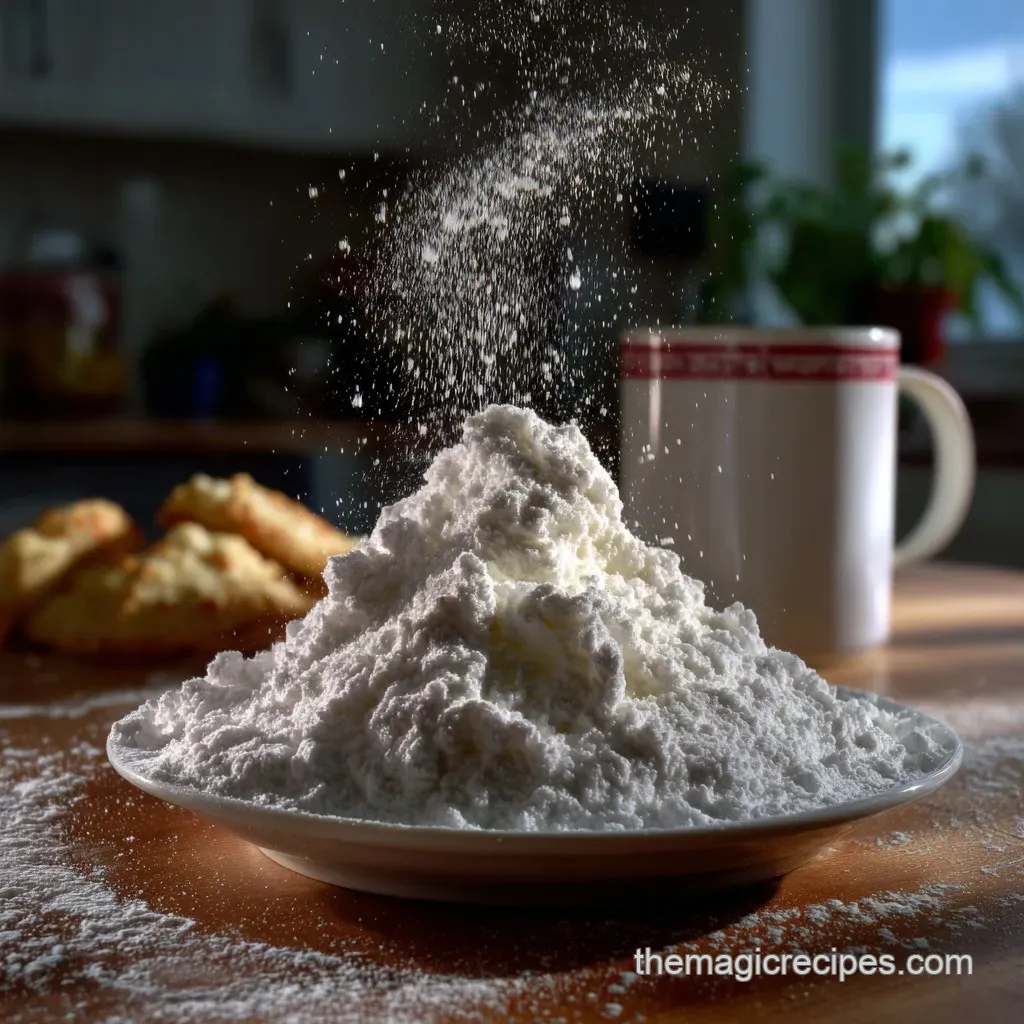
The Secret to Perfect Powdered Sugar: Cornstarch & Blending Unleashed
Imagine you're in the middle of creating a luscious batch of buttercream frosting, or perhaps a delicate glaze for freshly baked cookies, and suddenly, you hit a snag: no powdered sugar in the pantry! For many home bakers, this scenario spells disaster, often leading to a hurried trip to the store or a compromised recipe. But what if we told you that the secret to never running out of this versatile ingredient lies just moments away in your own kitchen? Knowing
how to make powdered sugar at home is not just a convenient baking hack; it's a game-changer that empowers you with control over your ingredients and saves precious time.
The truth is, powdered sugar—also known as confectioners' sugar or icing sugar—is simply granulated white sugar that has been finely pulverized. The real magic, and the "secret" to achieving that silky smooth texture similar to store-bought varieties, comes down to two key elements: effective blending and the judicious use of a common pantry staple, cornstarch. This guide will walk you through the simple process, revealing why these elements are crucial and equipping you with the knowledge to craft perfect powdered sugar every single time. Get ready to elevate your baking endeavors, from velvety frostings to elegant dustings, with your own homemade confectioners' sugar.
Understanding Powdered Sugar: More Than Just Finely Ground Sweetness
Before we dive into the "how-to," let's demystify powdered sugar itself. At its core, powdered sugar is precisely what it sounds like: granulated sugar ground into an incredibly fine powder. This transformation from crystal to cloud is what gives it unique properties essential for many culinary applications. Unlike granulated sugar, which provides sweetness and structure, powdered sugar dissolves almost instantly, creating smooth textures in glazes, frostings, and fillings without any grittiness.
The Many Names of a Sweet Staple
You might encounter powdered sugar under several different aliases, depending on where you live or the brand you're buying.
*
Confectioners' Sugar: Perhaps its most formal name, reflecting its common use in confectionery arts.
*
Icing Sugar: A popular term in the UK and Commonwealth countries, highlighting its primary role in icings and glazes.
*
10X Sugar: This label refers to the fineness of the grind. The "10X" indicates that the sugar has been processed ten times to achieve its super-fine consistency. While you won't be processing it "10 times" at home in the same industrial sense, your goal is to achieve a similar level of fineness through blending.
Understanding these terms reinforces that no matter the name, the product is essentially the same: a finely milled sugar designed for smooth, delicate results.
The Power of Your Pantry: What You'll Need to Make Powdered Sugar
Creating homemade powdered sugar is surprisingly simple and requires minimal ingredients and equipment, most of which you likely already have.
Essential Ingredients: Sugar and the Anti-Caking Champion
*
Granulated White Sugar: This is your primary ingredient. Standard granulated white sugar works perfectly. You can also experiment with other types of sugar, as some bakers have found success grinding healthier alternatives like organic cane sugar or even coconut sugar for a unique flavor profile, though results may vary in fineness and color. To learn more about using different sugars, explore our article:
Make Powdered Sugar: Any Sugar, Any Blender, Instant Freshness.
*
Cornstarch (or Cornflour): This is the *secret ingredient* for achieving a professional, anti-caking result. Just a small amount of cornstarch, often referred to as cornflour in some regions, makes all the difference. It acts as a desiccant, absorbing moisture and preventing the powdered sugar from clumping together, especially during storage. Most store-bought powdered sugars contain cornstarch for this very reason. If you plan to use your homemade powdered sugar immediately, you can technically omit the cornstarch, but for storage and optimal texture, it’s highly recommended.
Your Blending Arsenal: Choosing the Right Equipment
The key to pulverizing granulated sugar into a fine powder lies in having a powerful blending device.
*
High-Powered Blenders: Appliances like a Vitamix, Blendtec, Nutribullet, or a robust food processor are ideal. Their strong motors and sharp blades can tackle sugar crystals effectively, transforming them into a silky powder in just minutes.
*
Spice Grinders: Often designed for tougher spices, these small but mighty machines are excellent for making powdered sugar, especially in smaller batches.
*
Coffee Grinders: Similar to spice grinders, a clean coffee grinder can be surprisingly effective. Just ensure it's thoroughly cleaned to avoid any coffee residue flavor in your sugar!
*
Magic Bullet or Personal Blenders: While less powerful than their larger counterparts, these can work well for smaller quantities. You might need to blend in shorter bursts and shake the container frequently to ensure even processing.
The more powerful your appliance, the quicker and finer your powdered sugar will be. You'll soon get a feel for what works best with your specific equipment and desired batch size.
Step-by-Step Guide: How to Make Powdered Sugar at Home
Ready to unleash your inner confectioner? Here’s a simple process to create your own perfect powdered sugar:
1.
Measure Your Ingredients: For every 1 cup of granulated sugar, add 1 tablespoon of cornstarch. This ratio ensures effective anti-caking properties without impacting flavor. Adjust quantities based on how much powdered sugar you need.
2.
Combine in Your Blender: Pour the granulated sugar and cornstarch into your chosen blending appliance. Do not overfill your blender; it's better to work in batches to allow for proper circulation and even grinding.
3.
Begin Blending: Secure the lid and start blending on a high setting. The sugar crystals will begin to break down, transforming into a cloud of white powder.
4.
Blend and Monitor: Blend continuously for about 4 to 5 minutes. During this time, stop the blender periodically (every 60-90 seconds) and use a spatula to scrape down the sides of the container. This ensures all the sugar is evenly processed and prevents larger crystals from remaining at the bottom.
5.
Check for Fineness: After 4-5 minutes, stop the blender and let the dust settle. Carefully run your fingers through the powder. Does it feel gritty, or is it incredibly smooth and silky? If you still detect any grittiness, continue blending for another minute or two, repeating the scraping process. The goal is a texture that rivals commercial powdered sugar.
Pro Tip: Blending sugar generates heat. If using a less powerful blender or making a large batch, let your blender rest for a minute or two between blending intervals to prevent overheating.
For a quick reference on this DIY process, check out:
Homemade Powdered Sugar: Your Quick & Easy DIY Guide.
Cornstarch: The Unsung Hero of Homemade Powdered Sugar
The role of cornstarch in homemade powdered sugar is often underestimated. While you *can* make powdered sugar without it, especially if you plan to use it immediately, incorporating cornstarch provides several significant benefits that mimic store-bought quality.
Why Cornstarch is Essential for Stability
*
Anti-Caking Properties: This is cornstarch's primary function here. Sugar is naturally hygroscopic, meaning it attracts and absorbs moisture from the air. This moisture is what causes powdered sugar to clump and harden into solid blocks. Cornstarch acts as a desiccant, absorbing this ambient moisture and keeping the sugar crystals separated, preventing those frustrating clumps.
*
Maintains Dryness: By controlling moisture, cornstarch ensures your powdered sugar remains a free-flowing, easy-to-measure ingredient, even in humid environments.
*
Mimics Commercial Products: Almost all commercially produced powdered sugar contains a small percentage of cornstarch (typically around 3-5%) for these exact reasons. By adding it at home, you're replicating the stability and convenience of store-bought versions.
So, while optional for immediate use, a tablespoon of cornstarch per cup of granulated sugar is a small price to pay for perfectly smooth, non-clumping powdered sugar that's ready whenever you are.
Storage & Longevity: Keeping Your Homemade Treasure Fresh
One of the great advantages of homemade powdered sugar (especially with cornstarch) is its excellent shelf life.
Proper Storage for Indefinite Freshness
*
Airtight Container: Always store your powdered sugar in an airtight container. This is crucial for keeping out moisture and maintaining its fine, powdery consistency. Glass jars with tight-fitting lids or sturdy plastic containers with rubber seals work wonderfully.
*
Cool, Dry Place: Keep the container in a cool, dry pantry or cupboard, away from direct sunlight and humidity.
If stored correctly with cornstarch, homemade powdered sugar can last indefinitely, just like its store-bought counterpart. The stability provided by the cornstarch ensures it remains dry and free-flowing for months, even years.
Signs Your Powdered Sugar Has Gone Bad (Rare, but Possible)
While powdered sugar has an incredibly long shelf life, it's not entirely immune to spoilage, though it's rare.
*
Mold: The most definitive sign of spoilage is the presence of mold. If you see any discoloration or fuzzy growths, discard the entire batch immediately. Mold indicates significant moisture contamination.
*
Pantry Pests: Keep an eye out for any signs of pantry pests like sugar ants, weevils, or flour beetles. If you discover any insect activity, it's best to dispose of the contaminated sugar.
*
Excessive Clumping: While small clumps are normal and easily broken up, if your powdered sugar has solidified into a rock-hard block that cannot be broken apart, it indicates severe moisture exposure. While not necessarily "bad" in a harmful sense, it's no longer functional for its intended purpose.
Remember, if you opted to make powdered sugar without cornstarch, its shelf life is significantly reduced. It will be much more prone to clumping and hardening, so it's best to use such batches immediately after preparation.
Beyond White Sugar: Exploring Healthier Alternatives
While traditional powdered sugar is made from refined white granulated sugar, the beauty of making it at home is the flexibility to experiment. Some health-conscious bakers wonder if they can use alternative sugars. The answer is often yes, with some caveats.
*
Organic Cane Sugar: This is perhaps the easiest and most common alternative. Organic cane sugar grinds down beautifully into a slightly off-white powdered sugar, retaining a similar texture and function.
*
Coconut Sugar: For those seeking a lower glycemic option, coconut sugar can be powdered. However, because of its natural molasses content, it will result in a light brown powdered sugar with a subtle caramel flavor. It might also be slightly less fine than white sugar and more prone to clumping, so the cornstarch is even more critical here.
*
Date Sugar: While possible, date sugar is notoriously difficult to grind into a very fine powder due to its natural stickiness. You might achieve a coarser, sandy texture rather than a silky powder, making it less suitable for delicate frostings but potentially fine for dusting or mixing into batters.
Always start with a small batch when experimenting with alternative sugars to ensure the results meet your expectations for texture and flavor. The power of a good blender remains paramount for all varieties.
Conclusion: Your Kitchen, Your Perfect Powdered Sugar
Gone are the days of pantry panic when you realize you're out of powdered sugar. With the simple knowledge of
how to make powdered sugar at home, using just granulated sugar and the magic of cornstarch, you unlock a new level of culinary independence. This simple hack not only saves you a trip to the store but also offers the satisfaction of crafting your own ingredients, with the option to explore different sugar varieties.
From silky smooth buttercreams to delicate dessert dustings, homemade powdered sugar will elevate your baking with its unmatched freshness and perfect texture. So, grab your blender, embrace the secret of cornstarch, and transform ordinary granulated sugar into an extraordinary baking staple. Your desserts—and your peace of mind—will thank you!