Imagine this: you're halfway through whipping up a batch of glorious buttercream frosting, a delicate glaze for your cookies, or a dusting for freshly baked brownies. Everything is going perfectly until you reach for the bag of powdered sugar, only to find it's empty. Panic sets in. A trip to the store feels like an eternity. What if we told you those days of kitchen crisis could be a thing of the past? Learning how to make powdered sugar at home is not just a clever hack; it's an absolute game-changer, transforming basic granulated sugar into that fine, fluffy confectioner’s delight in mere minutes.
This comprehensive guide will demystify the process, revealing the simple secrets behind creating your own powdered sugar with ease. You'll gain independence in your baking, save last-minute trips, and even unlock possibilities for healthier, alternative sugar options. Get ready to elevate your baking game and say goodbye to powdered sugar emergencies forever!
What Exactly *Is* Powdered Sugar (and What Else Is It Called)?
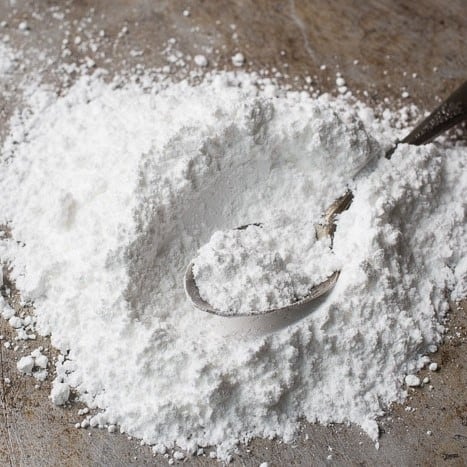
At its heart, powdered sugar is remarkably simple: it’s just granulated white sugar that has been finely pulverized. This humble ingredient goes by many names, often causing confusion among home bakers. You might know it as:
- Confectioner's Sugar: This is arguably its most common alias, especially in North America.
- Icing Sugar: A popular term in the UK and Commonwealth countries, reflecting its primary use in icings and frostings.
- 10X Sugar: This intriguing label refers to the fineness of the grind. The "10X" signifies that the granulated sugar has been processed (ground) ten times, resulting in an exceptionally fine, consistent powder. This ultra-fine texture is crucial for smooth frostings and glazes that dissolve beautifully on the tongue without any grittiness.
Understanding these different names ensures you're always grabbing the right ingredient, whether you're following an American, British, or international recipe.
Why Go DIY? The Benefits of Homemade Powdered Sugar
Beyond the convenience of avoiding a mid-bake grocery run, making your own powdered sugar offers several compelling advantages:
- Instant Availability: Never again will a recipe be derailed by a lack of this essential ingredient. If you have granulated sugar, you have powdered sugar.
- Cost-Effectiveness: Granulated sugar is typically less expensive per pound than its powdered counterpart. Over time, making your own can lead to noticeable savings, especially if you bake frequently.
- Ingredient Control: Store-bought powdered sugar almost always contains a small amount of cornstarch (usually 3% to 5%) to prevent caking. While beneficial for storage, some prefer to avoid it or control the amount. When you make it yourself, you decide whether to add cornstarch and how much.
- Healthier Alternatives: This is where homemade truly shines! You're not limited to refined white sugar. Want a less refined option? You can easily transform organic cane sugar, coconut sugar, or even certain sugar substitutes into a fine powder. This opens up a world of possibilities for those with dietary preferences or restrictions, allowing you to enjoy your favorite treats with ingredients you feel good about.
- Freshness: Freshly ground powdered sugar has an unparalleled fineness and purity that can subtly enhance the texture and flavor of your baked goods.
The Essential Tools for Your DIY Powdered Sugar Mission
The good news is you likely already own the key piece of equipment needed to transform granulated sugar into delicate powder. The trick is having a tool powerful enough to achieve that super-fine consistency.
Your Best Blending Bets:
- High-Speed Blender: This is the superstar. Appliances like a Vitamix, Blendtec, or even a good quality Nutribullet are designed to pulverize ingredients quickly and efficiently. They produce the finest, most consistent powdered sugar in the shortest amount of time, typically 3-5 minutes.
- Food Processor: While not as fast as a high-speed blender, a food processor can certainly get the job done. You might need to process for a bit longer, and you may find the texture isn't *quite* as fine as with a blender, but it's perfectly adequate for most baking applications.
- Coffee Grinder / Spice Grinder: These smaller, more compact grinders are surprisingly effective, especially for smaller batches. Their design is specifically for grinding hard, dry ingredients. If you're only making a cup or two, a dedicated coffee or spice grinder can be a fantastic option. Just ensure it's clean and free of coffee residue unless you want mocha-flavored powdered sugar!
- Magic Bullet / Personal Blenders: Similar to coffee grinders, these are great for small batches. You might need to work in even smaller quantities to avoid overfilling and ensure thorough pulverization.
Pro Tip: Regardless of the appliance you use, ensure it’s completely dry before adding sugar. Any moisture will cause the sugar to clump and stick, hindering the grinding process.
Step-by-Step Guide: How to Make Powdered Sugar at Home
Making your own powdered sugar is incredibly simple, requiring just two ingredients (or one, if you prefer!) and a few minutes.
Ingredients You'll Need:
- Granulated White Sugar: The star of the show! Regular table sugar works perfectly.
- Cornstarch (Optional but Recommended): This is the secret ingredient for long-lasting, clump-free powdered sugar. (Known as cornflour in some regions).
The Simple Process:
- Measure Your Sugar: For every 1 cup of granulated sugar, you’ll yield approximately 1 cup of powdered sugar. A good starting ratio is 1 cup of granulated sugar with 1 teaspoon of cornstarch. If you're making a larger batch, maintain this ratio (e.g., 2 cups sugar to 2 teaspoons cornstarch).
- Combine Ingredients: Add your granulated sugar and cornstarch (if using) into your chosen blending appliance. Do not overfill your blender or food processor; it’s better to work in batches to ensure proper grinding and avoid strain on your machine.
- Blend Away: Secure the lid and start blending. Begin on a low speed to break up the larger crystals, then gradually increase to high. You'll observe the sugar transforming into a cloud of white powder.
- Scrape and Stir: Stop your machine every minute or so and give the mixture a good stir with a spatula. This helps to dislodge any sugar stuck to the sides or bottom, ensuring everything gets evenly pulverized. This step is crucial for achieving a uniform, fine powder.
- Check for Fineness: Continue blending for about 3-5 minutes, depending on your machine's power and the desired fineness. To test if it's ready, carefully open the lid (allowing the dust to settle), then run your fingers through the powder. If it feels smooth and silky, without any discernible grittiness, it's done! If it feels at all coarse or gritty, blend for another minute or two and re-check.
- Sift (Optional): For truly professional-level smoothness, especially for delicate glazes or royal icing, you can sift your freshly made powdered sugar through a fine-mesh sieve. This removes any tiny remaining granules and aerates the sugar, resulting in an even fluffier texture.
The Cornstarch Conundrum: To Add or Not to Add?
The role of cornstarch in powdered sugar often sparks curiosity. Most commercial powdered sugars contain a small percentage of cornstarch, and there’s a good reason for it.
- Why it's there: Cornstarch acts as an anti-caking agent. It absorbs any residual moisture, preventing the ultra-fine sugar particles from clumping together and hardening into solid bricks, especially during storage. This ensures your powdered sugar remains light, airy, and easily scoopable.
- When to use it: If you plan to store your homemade powdered sugar for any length of time (more than a few hours), adding cornstarch is highly recommended. It will maintain its free-flowing texture and prolong its usability.
- When to skip it: If you intend to use your powdered sugar immediately after making it – perhaps for a frosting you’re preparing right then and there – you can absolutely omit the cornstarch. Without it, the sugar will be pure granulated sugar, just in a powdered form. However, be aware that without the anti-caking properties, any leftovers will likely clump up if stored for more than a day or two.
For an even deeper dive into this vital ingredient and its role in achieving perfect powdered sugar, explore The Secret to Perfect Powdered Sugar: Cornstarch & Blending.
Beyond White Sugar: Exploring Alternative Sweeteners
One of the most exciting aspects of making your own powdered sugar is the freedom to experiment with different types of sugar. This is fantastic news for those looking to reduce refined sugar intake or explore unique flavor profiles.
- Organic Cane Sugar: A less refined alternative to white granulated sugar, organic cane sugar can be easily powdered. The resulting powder will have a slightly off-white, creamier color.
- Coconut Sugar: For a lower glycemic index option with a subtle caramel note, coconut sugar powders beautifully. Be aware that the finished product will be light brown, retaining its distinctive hue.
- Turbinado or Demerara Sugar: These raw sugars, with their larger crystals and molasses notes, can also be powdered. The process might take a little longer due to their coarser texture, and the final powder will be light brown.
- Erythritol or Xylitol: If you're on a keto diet or managing blood sugar, these sugar alcohols can be successfully pulverized into a powdered form, offering a sugar-free alternative for glazes and frostings.
Important Considerations:
- Color and Flavor: Alternative sugars will impart their natural color and flavor to your powdered sugar, which might affect the appearance and taste of your final dish.
- Moisture Content: Some unrefined sugars (like certain brown sugars) have a higher moisture content, which can make them more challenging to powder finely without clumping. For best results, ensure your sugar is as dry as possible before blending. You may also need to increase the cornstarch slightly if working with high-moisture alternatives.
For a comprehensive guide on making powdered sugar from various sweeteners and with different blending tools, check out Make Powdered Sugar: Any Sugar, Any Blender, Instant Freshness.
Storage and Shelf Life: Keeping Your Homemade Powder Fresh
Once you’ve mastered the art of making powdered sugar, proper storage ensures it remains fresh and ready for your next baking adventure.
- Airtight is Key: Store your homemade powdered sugar in an airtight container. Glass jars with tight-fitting lids, or sturdy plastic containers, are ideal. This prevents moisture from seeping in and causing clumps.
- Cool, Dry Place: Keep the container in a cool, dry pantry or cupboard, away from direct sunlight or sources of heat and humidity.
- Shelf Life:
- With Cornstarch: If you've included cornstarch, your homemade powdered sugar will last indefinitely, much like store-bought versions, provided it’s stored correctly.
- Without Cornstarch: If you opted to omit the cornstarch, it's best to use the powdered sugar immediately. Without the anti-caking agent, it's highly susceptible to clumping and absorbing moisture, and its texture will degrade quickly.
- Can Powdered Sugar Go Bad? While sugar itself is a preservative, powdered sugar can spoil under certain conditions.
- Mold: If you notice any signs of mold, typically due to moisture contamination, discard the entire batch immediately.
- Pantry Pests: Always inspect your sugar for any signs of pantry pests. If found, it's safer to discard the contaminated sugar.
- Hard Clumps: Small, soft clumps that can be easily broken apart are usually normal, especially if you didn't use cornstarch or if it's been stored for a while. However, if the sugar has turned into a solid, impenetrable block, it's likely absorbed too much moisture and might be best discarded or re-powdered with fresh cornstarch.
Creative Uses for Your Freshly Made Powdered Sugar
Now that you have a fresh supply of homemade powdered sugar, the culinary possibilities are endless!
- Frostings and Glazes: The most obvious use! From classic buttercream to delicate lemon glazes for muffins and scones, its fine texture is indispensable.
- Dusting: Lightly dust pancakes, waffles, French toast, fruit tarts, or brownies for an elegant finish.
- Candy Making: Essential for recipes like fondant, fudge, and truffles.
- Stabilizing Whipped Cream: A tablespoon or two can help stabilize whipped cream, preventing it from weeping.
- Cocktails: Dissolves quickly in cold drinks for perfectly sweetened cocktails.
Conclusion
Making your own powdered sugar is one of those simple kitchen hacks that delivers immense satisfaction and convenience. It eliminates last-minute grocery dashes, offers greater control over ingredients, and even opens the door to healthier, alternative sugar options. With just a powerful blender and a few minutes, you can transform ordinary granulated sugar into a baking powerhouse, ready to elevate your frostings, glazes, and countless other culinary creations. So, the next time a recipe calls for confectioner's sugar, confidently reach for your granulated sugar and blend your way to baking success!
